
Rock Crusher Cone
Choke-feeding cones reduce costs while shaping items to perfection. Discover how these crushers will transform your crushing operations, providing exceptional efficiency and excellent outcomes.Cone Crusher Plant
The moving head of cone and gyratory crushers can have either fixed or moving shafts, setting the stage for dynamic crushing action. Here are the steps:- The shafts in cone and gyratory facilitate material crushing through their movement.
- Material is crushed in a chamber between an external fixed element (bowl liner) and an internal moving element (mantle) on the oscillating shaft assembly.
- Eccentric shaft rotation by gears and pinions causes the head to oscillate.
- Eccentricity dictates cone head movement between open and closed discharge apertures, influencing crusher capacity.
- Continuous compression between chamber liners fractures material, reducing wear (interparticular crushing).
- Hydraulic systems regulate crushing capacity and product gradation in cone crushers.
- Two setting adjustment methods for different cone types: rotating the bowl against threads and lifting/lowering the main shaft.
- Continuous adjustment under stress ensures optimal crusher performance.
Types of Cone Crushers
Primary Cone Crusher – Gyratory Rock Crusher
Primary gyratory crushers are utilized during the primary crushing step. Secondary gyratory crushers are typically employed in the second crushing stage, although they can also be utilized in the primary stage if the material is the right size for the feed opening. A gyratory crusher, unlike a cone type secondary crusher, has a crushing chamber intended to accommodate feed material that is quite large in respect to the mantle diameter. As a result, the cone head angle is less than in a gyratory cone crusher.Secondary & Tertiary & Quaternary Cone Crushers
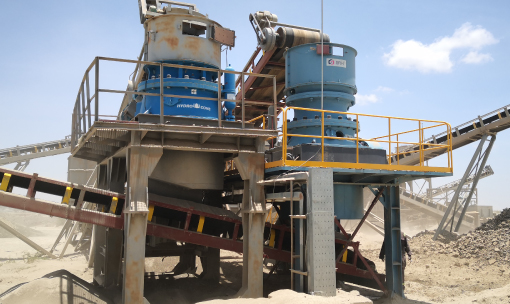
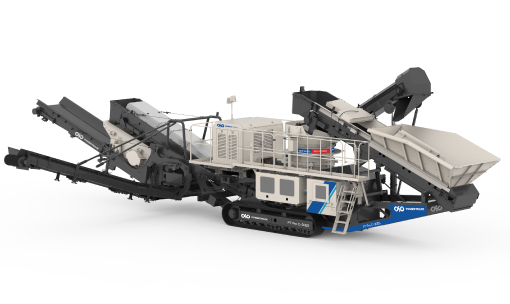
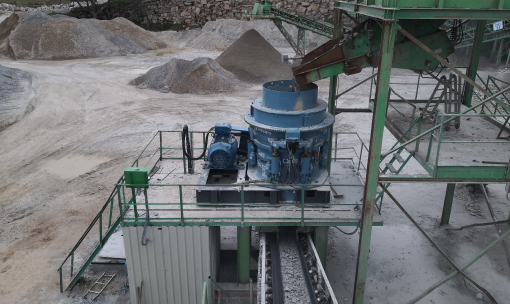
These cone crushers are used for intermediate or fine crushing, as well as to produce products with a nice cubical shape. Previous phases of the process involve primary crushing of the feed material. In the case of gravel, Mother Nature has already done the primary crushing, therefore a cone-type secondary crusher can sometimes complete the process. The profile of the crushing chamber or cavity is the most important aspect influencing the performance of a cone type secondary crusher. As a result, each crusher often has a number of standard cavities accessible, allowing the proper cavity to be selected for the feed material at hand.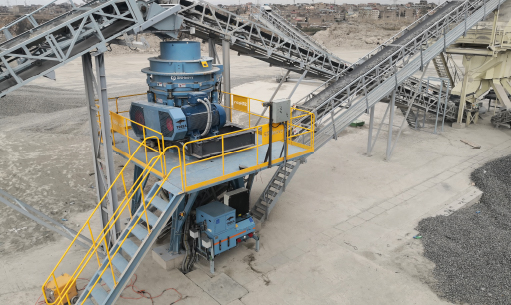
Partners
Core Partners





Want to know more?
We will be glad to clarify all your questions and make business with you.

Testimonials
TREEA consistently delivers high-quality, reliable spares, exceeding our expectations. Their professionalism and commitment make them a trusted partner, ensuring our operations run smoothly.
Moses Karanja, Crusher Manager, Karsan Ramji and Sons Ltd
Treea Machinery provides robust, advanced equipment, tailored to our needs. Their professionalism, timely support, and reliability enhance our productivity, making them a trusted partner.
Eng. Luis Morgado, Production Director
Contact Us
- +351 244 209 687
- mail@treea-machinery.com