
Impact Crusher
Discover how impact crushers, with their high reduction ratios and capacity to generate cube-shaped products, have transformed the crushing process.How does a Impact Crusher Work?
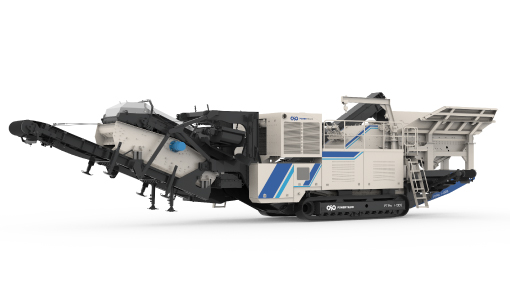
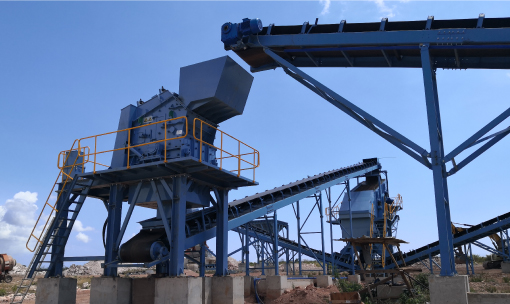
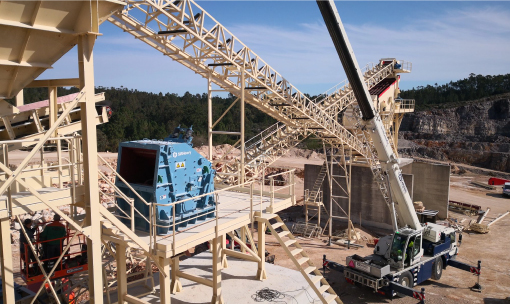
The two main types (horizontal-shaft and vertical-shaft impactors) are characterized by a high reduction ratio and cube-shaped product. The impactors can also be used for selective crushing, a method that liberates hard minerals from the waste material. The impactor consists of a steel plate body containing a shaft and rotor assembly. The number of moving parts is quite small.Types of Impact Crushers
Horizontal-shaft Impactors (HSI)
The feed material is crushed by highly intensive impacts originating in the quick rotational movement of hammers/bars fixed to the rotor. The particles produced are then further crushed inside the crusher as they collide against crusher parts and against each other, producing a finer, better-shaped product.Vertical-shaft Impactors (VSI)
The vertical-shaft impactor works similarly to a centrifugal pump, often known as a “stone pump”. Material enters the rotor through the center and gains velocity before being ejected through apertures on the rotor's periphery. These machines excel in reducing wear costs by crushing the outer body with high-speed impacts and using rock-on-rock action.VSI impactors, which use the autogenous principle, are widely used in the manufacturing of fine materials, such as sand, and assure a good cubical shape.
Recycled Aggregates in Construction
We use crushing machinery to break down huge chunks of ore and rock into smaller, more manageable bits so that they can be further processed. The crushed material is next sifted through using screening machinery, which separates valuable minerals from waste and allows them to be reused or sold.Similarly, in the construction business, crushing and screening equipment are essential for managing debris and unusable materials such as concrete, asphalt, wood, and metal. These materials can be crushed and screened to produce recycled aggregates for use in new building projects, reducing the demand for virgin materials and minimizing production-related carbon emissions.
Partners
Core Partners





Want to know more?
We will be glad to clarify all your questions and make business with you.

Testimonials
TREEA consistently delivers high-quality, reliable spares, exceeding our expectations. Their professionalism and commitment make them a trusted partner, ensuring our operations run smoothly.
Moses Karanja, Crusher Manager, Karsan Ramji and Sons Ltd
Treea Machinery provides robust, advanced equipment, tailored to our needs. Their professionalism, timely support, and reliability enhance our productivity, making them a trusted partner.
Eng. Luis Morgado, Production Director
Contact Us
- +351 244 209 687
- mail@treea-machinery.com
TOP